Writers with a premise
Get from an idea to a complete first draft, then revise it chapter by chapter in your own voice.
Start with a premise. Bookhatch drafts an outline you can change, writes each chapter in order, typesets the book in a classic layout and paints a cover to match.
Ada had kept the lighthouse lamp for eleven winters, and in all that time no ship had answered it. Then, on the first night of the thaw, a light blinked back from the open sea.
Three short, one long. The old signal her father had taught her.
1+ 6 more chapters you can edit
A sentence or a paragraph: genre, setting, who it's about and what goes wrong. Set the number of chapters and their length.
Edit the chapter list, the characters and the ending. Writing doesn't start until you approve it.
Chapters arrive in order, each one aware of what came before, so names, places and threads carry through.
A typeset interior PDF, a full-wrap painted cover and listing text with a blurb and keywords.
Fiction commonly sells at 6 × 9 in on cream paper. Bookhatch typesets the chapters in a classic book layout and works out the spine from the final page count.
Covers are painted to suit the genre, from cozy mystery to science fiction. The same title is shown in each style below.
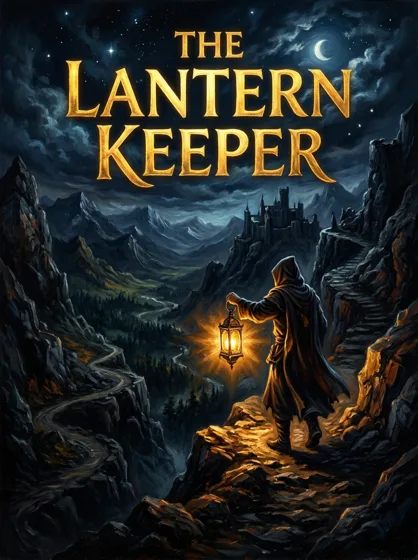
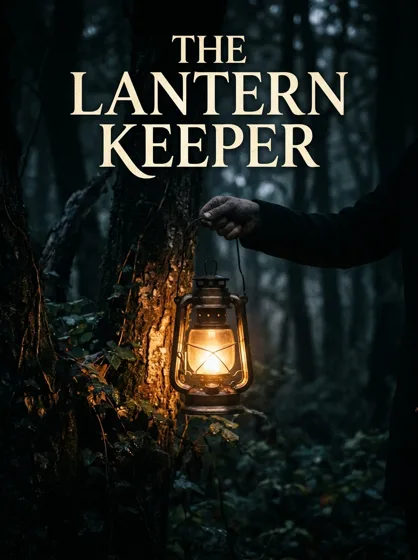
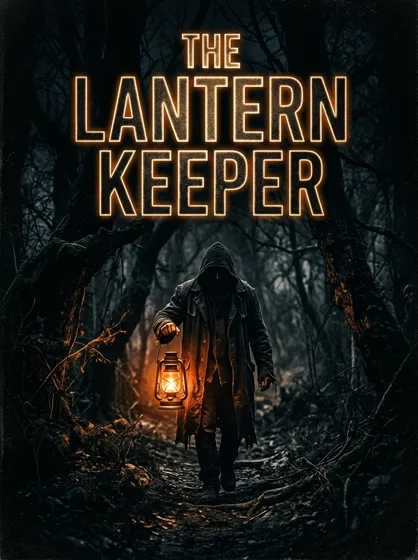
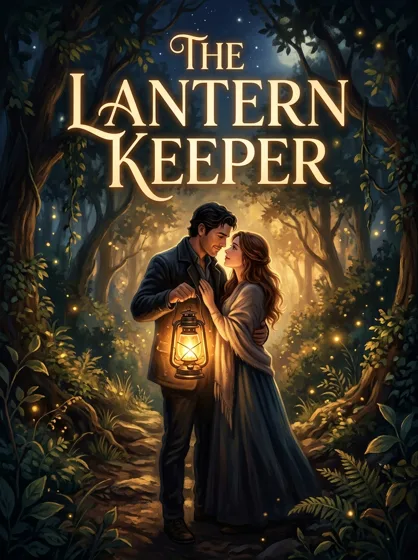
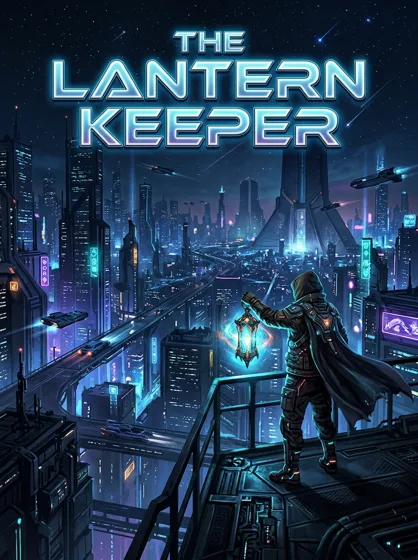
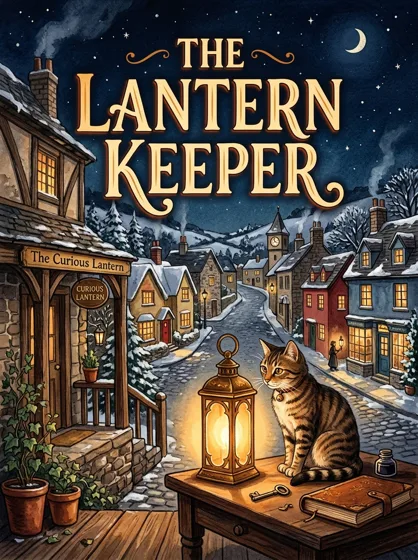
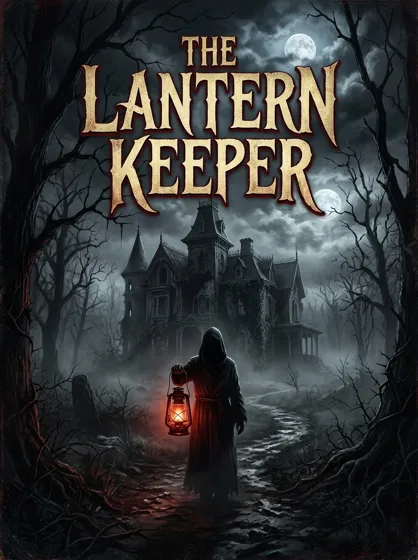
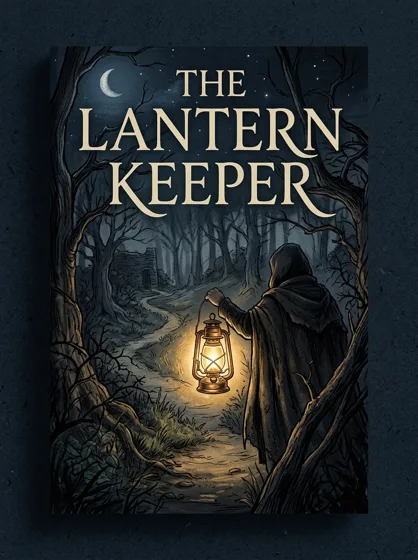
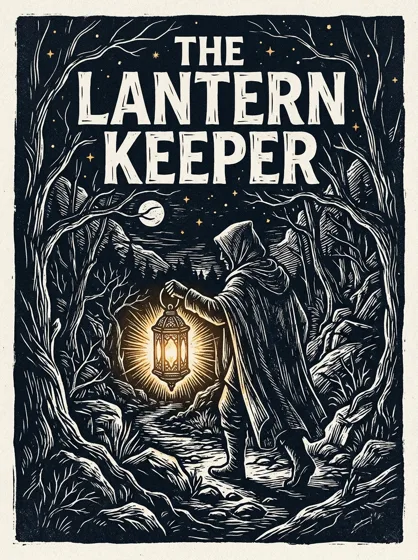
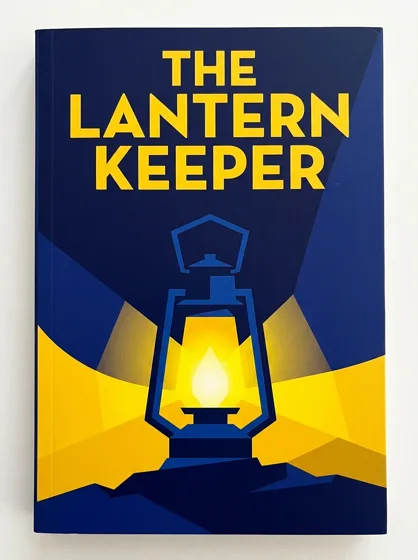
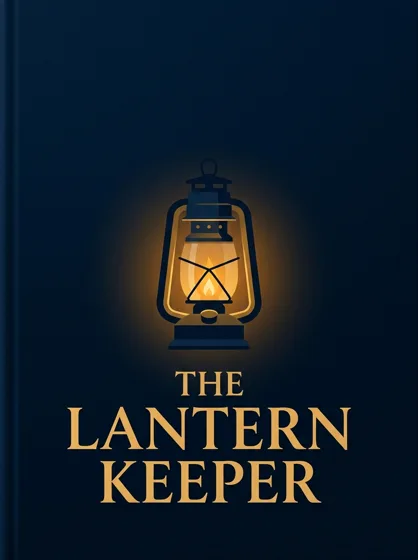
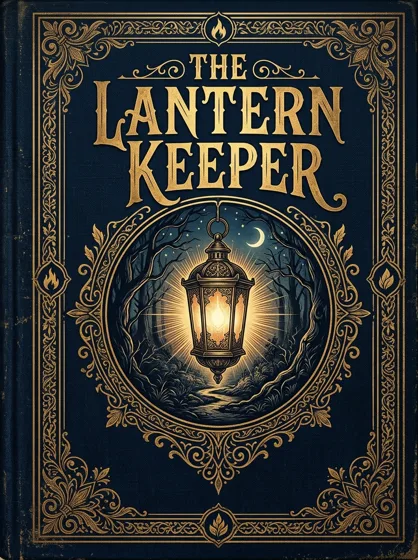
Get from an idea to a complete first draft, then revise it chapter by chapter in your own voice.
Collect themed short stories into a 5 × 8 in collection with a matching cover.
Write an early chapter book at the right reading level for a particular child or class.
For children aged 6 to 9 who have just moved past picture books. Bookhatch writes 5 to 12 short chapters with simple sentences, familiar words and a clear problem to solve in each one.
The layout uses larger type and more space between lines than a novel, so a page never looks like a wall of text. Chapters stay short enough to finish in one sitting.
What Amazon's print rules mean for this kind of book, and how Bookhatch handles each one.
| Topic | What KDP expects | What Bookhatch does |
|---|---|---|
| Trim size | 6 × 9 in is the most common in the US; 5 × 8 and 5.5 × 8.5 in suit shorter books. | 6 × 9 in for novels, 5 × 8 in for novellas. |
| Paper | Cream or white paper with black ink. Cream is traditional for fiction. | Cream paper by default. |
| Inside margin | Grows with page count: 0.375 in up to 150 pages, 0.5 in to 300, 0.625 in to 500. | Set from the final page count. |
| Outside margins | At least 0.25 in without bleed. | Generous book margins well above the minimum. |
| Fonts | Minimum 7 pt, and all fonts embedded in the PDF. | Body text set in a readable book size, fonts embedded. |
| Spine text | Only on books with more than 79 pages, with 0.0625 in clearance each side. | Added automatically when allowed. |
| AI disclosure | AI-generated text must be disclosed, even if you edit it substantially afterwards. | A reminder at export. |
Checked against KDP's help pages on 6 November 2026. KDP changes its rules from time to time, so confirm anything important on KDP's own pages before you publish. Bookhatch is not affiliated with Amazon.
A 10-chapter novella of about 22,000 words uses around 1,647 credits, about $9.88 on the Starter plan. Writing is most of the cost, at 70 credits per 1,000 words.
A short early chapter book of 6 chapters at 600 words is about 359 credits.
| Part of the book | Credits |
|---|---|
| Book plan and outline | 60 |
| Writing, 22,000 words × 70 per 1,000 | 1,540 |
| Painted cover | 45 |
| Listing text | 2 |
| Typesetting and PDFs | 0 |
| Total, about $9.88 at the Starter rate | 1,647 |
You choose the number of chapters, from 6 to 24, and roughly how long each one is. Ten chapters of about 2,200 words make a 22,000-word novella; add chapters for a longer novel. Writing costs 70 credits per 1,000 words.
Yes. Bookhatch first writes a chapter-by-chapter outline with characters and setting. You edit it, reorder chapters or rewrite the ending, and only then does writing start.
6 × 9 in on cream paper by default, the most common size for fiction. 5.5 × 8.5 in and 5 × 8 in are available for shorter books. Inside margins grow with page count, as KDP requires.
Yes. You can rewrite any chapter before you export. Many authors use the draft as a starting point and revise it in their own voice.
Yes. KDP counts text created by an AI tool as AI-generated even after substantial edits. See the AI disclosure guide.
Yes. Start each book from the same characters and setting notes, and keep the cover style consistent across the series.
As between you and Bookhatch, the book is yours. Copyright protection for AI-generated text differs by country and is still being settled, so your own revisions matter.
About 1,647 credits for 10 chapters of roughly 2,200 words, about $9.88 at the Starter rate. That covers the plan, the writing, a painted cover and the listing.
Trim sizes and page limits, the four ink and paper options, bleed, margins by page count, spine width and image rules.
Read the guide · 10 min →RulesAI-generated vs. AI-assisted, worked examples of what to declare, and how to publish an AI-made book responsibly.
Read the guide · 7 min →PublishingThe 50% and 60% rates, printing cost formulas, the $9.99 threshold and worked examples for every book type.
Read the guide · 8 min →Clean black line art with closed shapes, one design per page and blank backs so markers don't bleed through.
Mazes and word searches on any theme, with a printed answer key at the back. Puzzle pages cost no credits.
A short story told one scene per page, with characters described once so they stay consistent.
Get an outline in minutes and a full draft the same day. Free accounts start with 300 credits and no card.
Create a free account →